Homer Adriel Dorin | BS Computer Science | Loves problems

Ideas, brought
into reality.

I build web tools and explore AI, machine learning, and human–AI systems. Currently open to 2027 internships, community, and open-source collaborations.

// TECHNOLOGIES I'VE USED

From the workshop

Projects

A collection of ideas brought into practice.

Showing all 12 projects

Showing all 12 projects
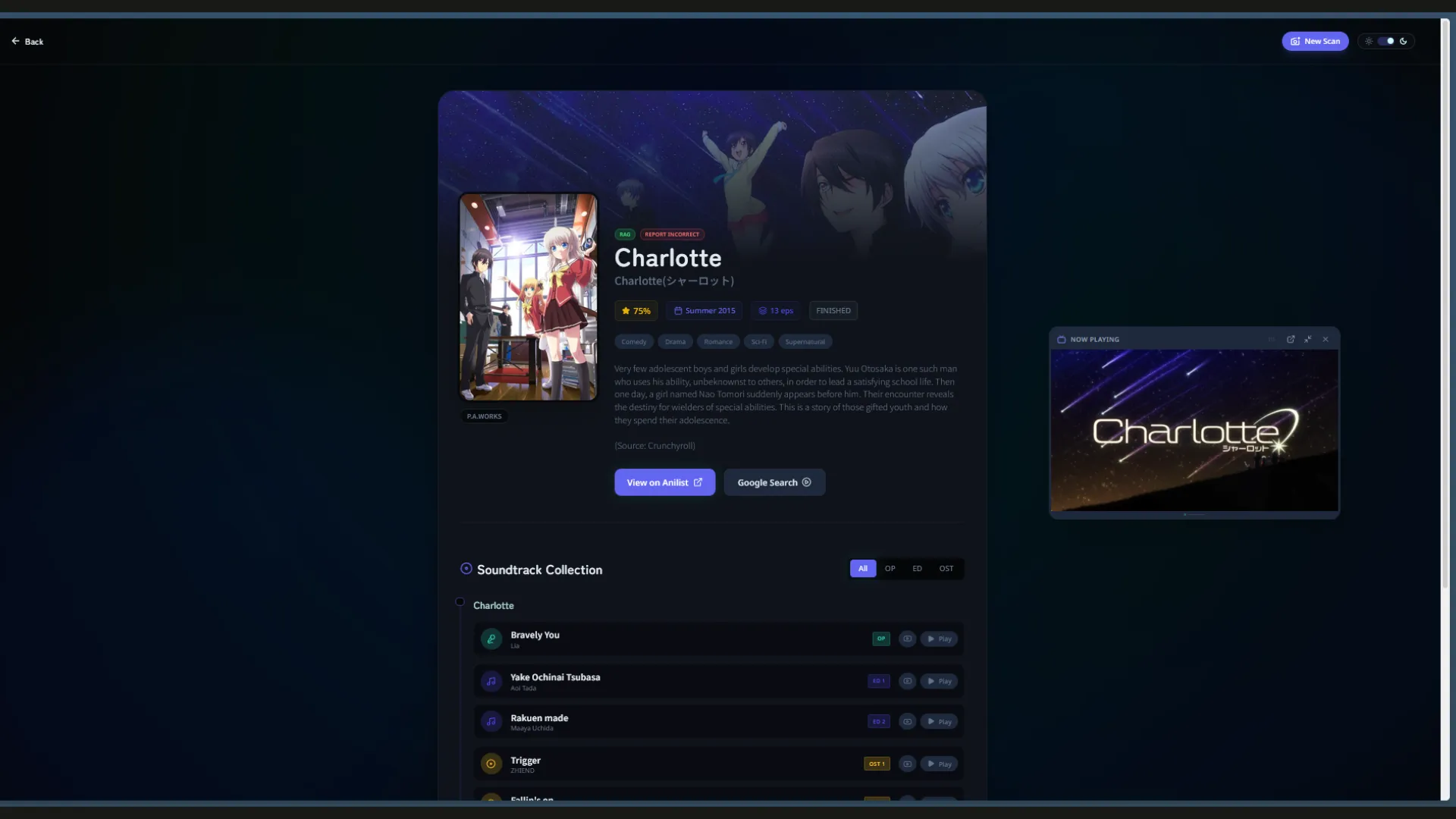
MiKyoku computer vision interface matching anime poster imagery to series titles and soundtrack metadata.

What it does

MiKyoku connects an anime poster image to its series title and original soundtrack. It bridges visual art and theme music by allowing users to search with an image rather than text.

How it works

The tool generates image embeddings using OpenAI’s CLIP model and indexes reference posters in a FAISS vector database for nearest-neighbor similarity search. Once a match is identified, it queries the AniList API to retrieve metadata, opening themes, and ending soundtracks associated with the series.

// WIP
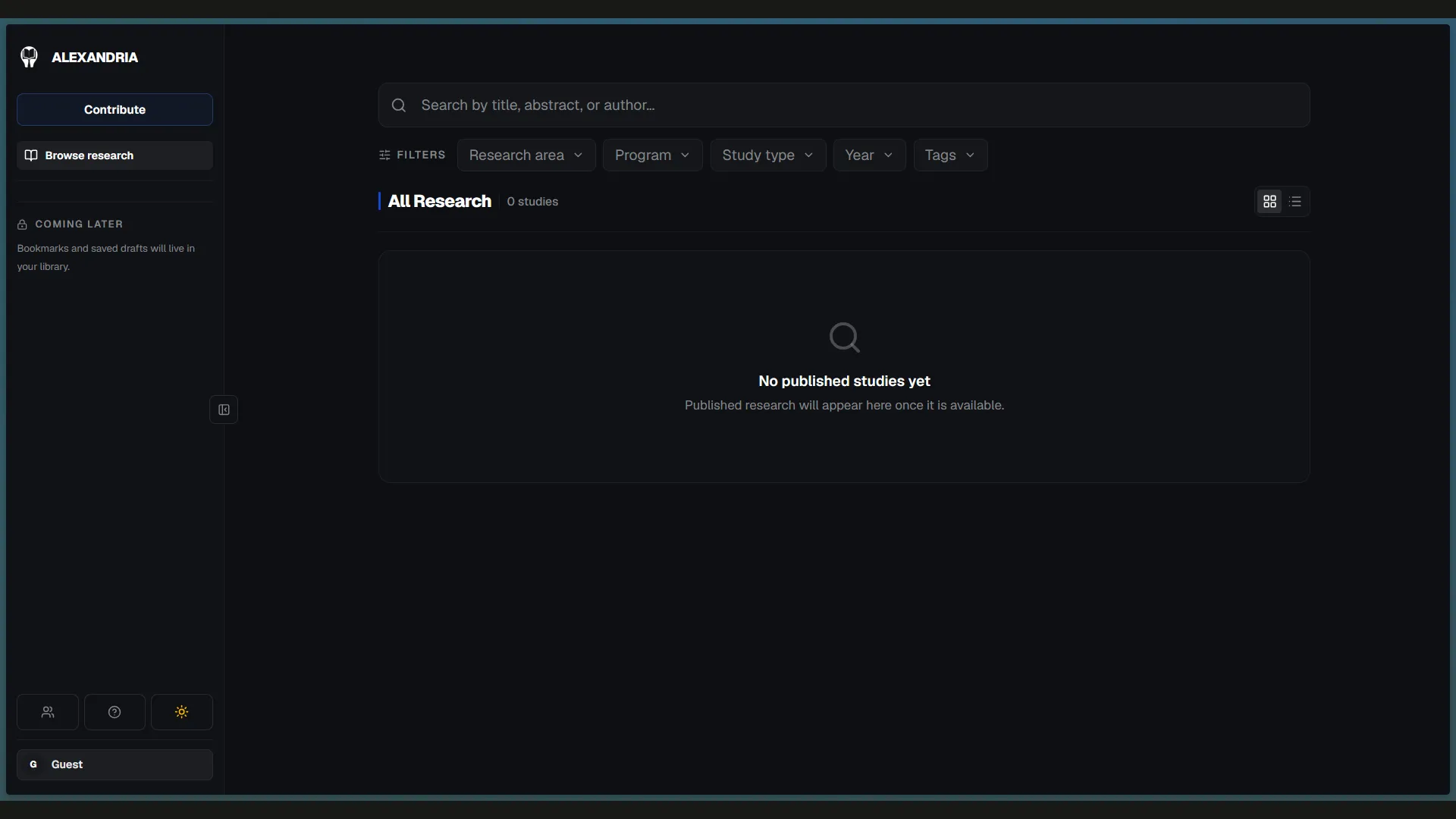
Alexandria digital repository interface showing student thesis search and academic cataloging workflows.

What it does

Alexandria serves as a digital repository web platform for archiving, exploring, and discovering academic thesis and capstone work within university departments.

How it works

The frontend is built with Next.js, featuring structured search and exploration interfaces for student research papers. The system is organized around accessible cataloging, metadata tagging, and paper discovery workflows that make past academic output easily referenceable.

BALAI OS banner — "A House of Wisdom. A Home for Thinkers."

What it does

BALAI OS — Blueprint. Automate. Learn. Agentic Intelligence — provides a portable workflow framework for AI-assisted software development. It transforms a general-purpose AI from an unpredictable code generator into a disciplined, engineering-first development partner. Balai is Cebuano for “home” — a structured environment where developer and agent collaborate under agreed architectural boundaries.

How it works

The framework lives entirely inside a portable .agent/ folder that can be bootstrapped into any project with a single boot_agent.py command. It introduces four primary Personas to structure the development loop: Kairou (Architect) enforces blueprint-first planning before coding begins; Sparks (Designer) drives rapid, aesthetic UI iteration; Arc (Mentor) connects engineering concepts directly to the developer’s personalized learning profile; and Janitor (QA & Debugger) executes forensic three-strike debugging protocols. Slash commands trigger repeatable, token-efficient workflows across Antigravity, GitHub Copilot, and Cursor.

// WIP
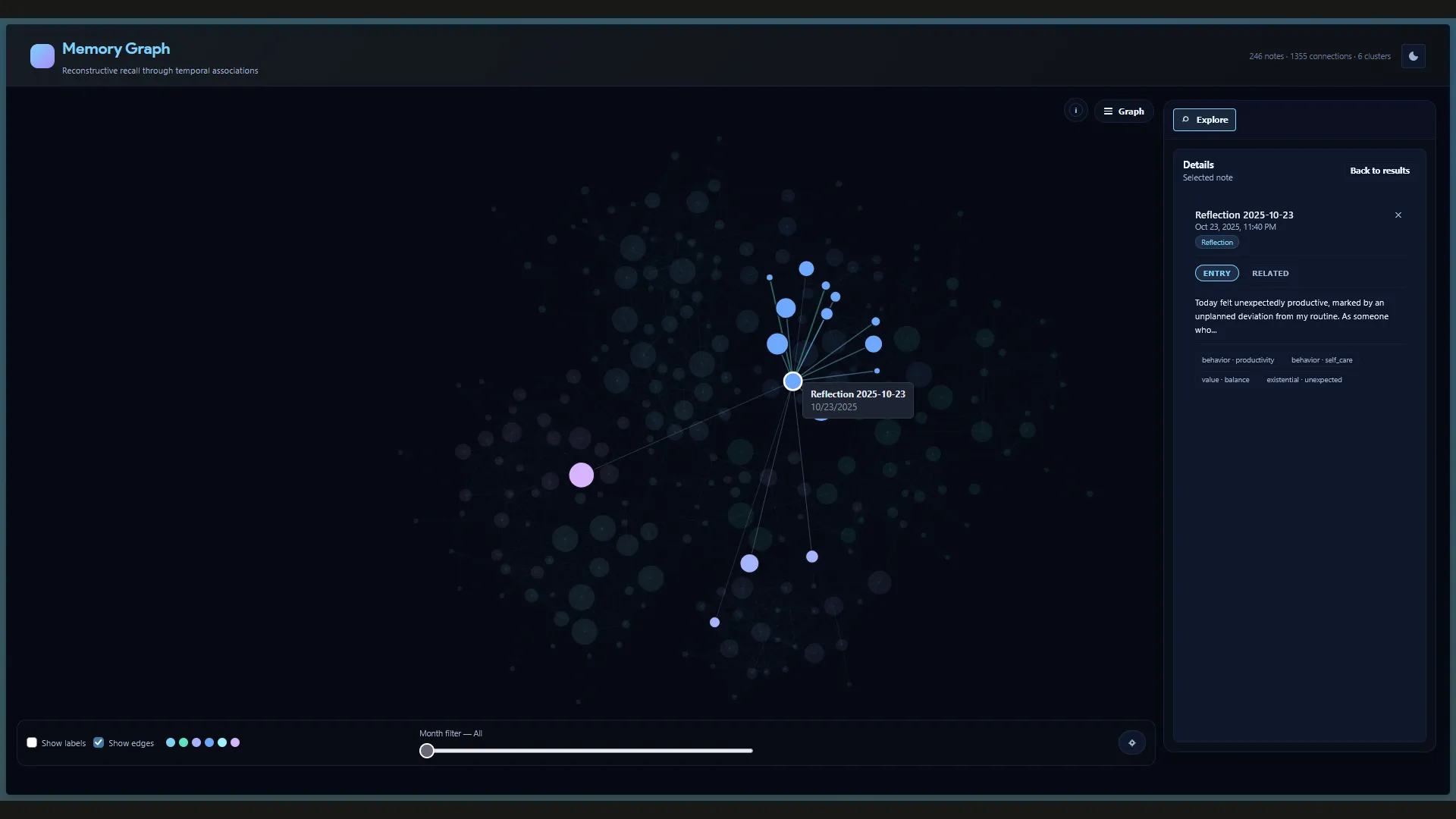
Atomic Notes interactive knowledge graph visualizer mapping connected semantic notes and reflection associations.

What it does

Atomic Notes Knowledge Graph turns personal reflection notes into an associative knowledge network. Rather than treating memory as a searchable archive, it models thoughts as a graph connected by semantic similarity, entity co-occurrence, and temporal proximity.

How it works

A six-phase Python pipeline processes raw Markdown and CSV notes through parsing, timestamp inference, entity extraction, and sentence embeddings with all-MiniLM-L6-v2. It calculates cosine similarity with temporal decay, constructs a NetworkX graph with typed edges (evokes, reinforces, preceded_by), and exports structured JSON for interactive force-directed visualization and CLI exploration.

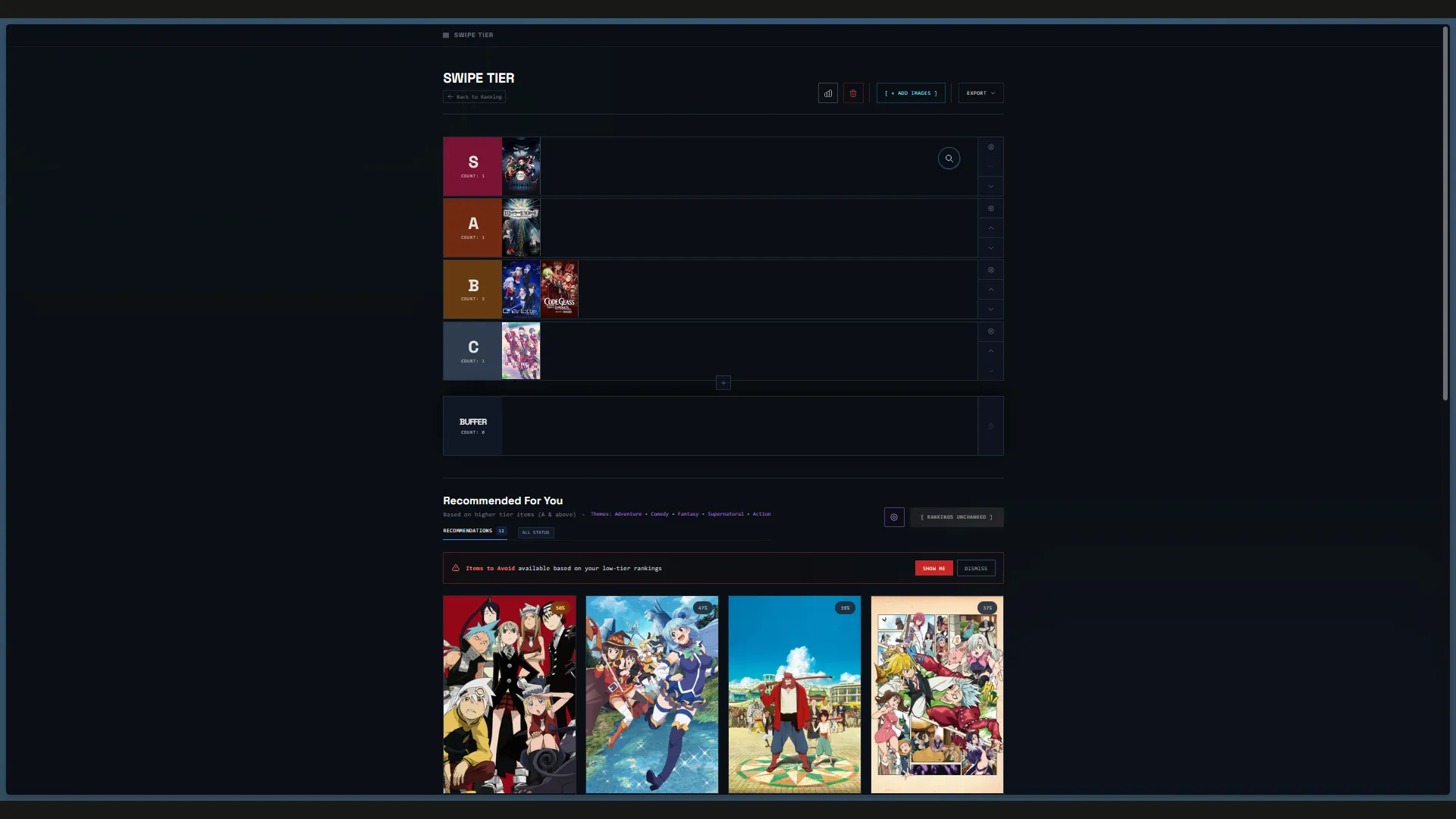
SwipeTier interface with ranked anime in S, A, B and C tiers and recommendations below.

What it does

SwipeTier enables rapid single-item tier list sorting, replacing slow drag-and-drop interfaces with keyboard hotkeys on desktop and swipe gestures on mobile to classify large collections without losing state.

How it works

Built with React, Vite, and Tailwind CSS, SwipeTier assigns content-hash IDs to uploaded images and saves ranking state after every action via LocalStorage. The client runs completely offline, allowing users to export lightweight JSON manifests of tier assignments and re-import them securely without binary bloat.

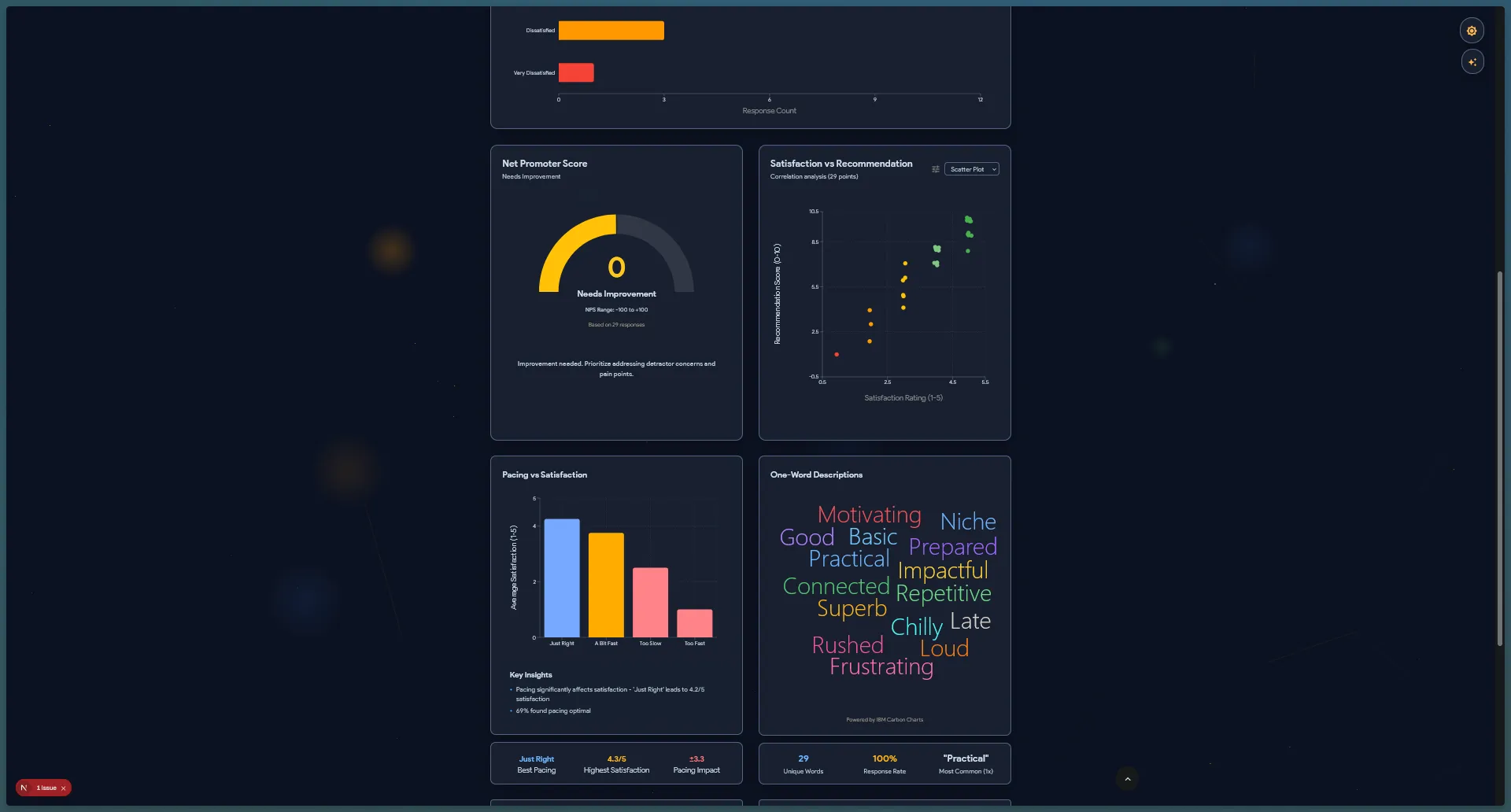
In Sight event feedback dashboard displaying survey analytics, rating metric charts, and qualitative attendee summaries.

What it does

In Sight automates event feedback analysis and visualization, converting raw post-event survey CSV exports into actionable attendee insights without requiring custom analysis scripts for every event.

How it works

The pipeline parses CSV exports from feedback forms, plots charts from quantitative rating metrics, and calls the Google Gemini API to distill qualitative attendee responses into narrative summaries and sentiment overviews.

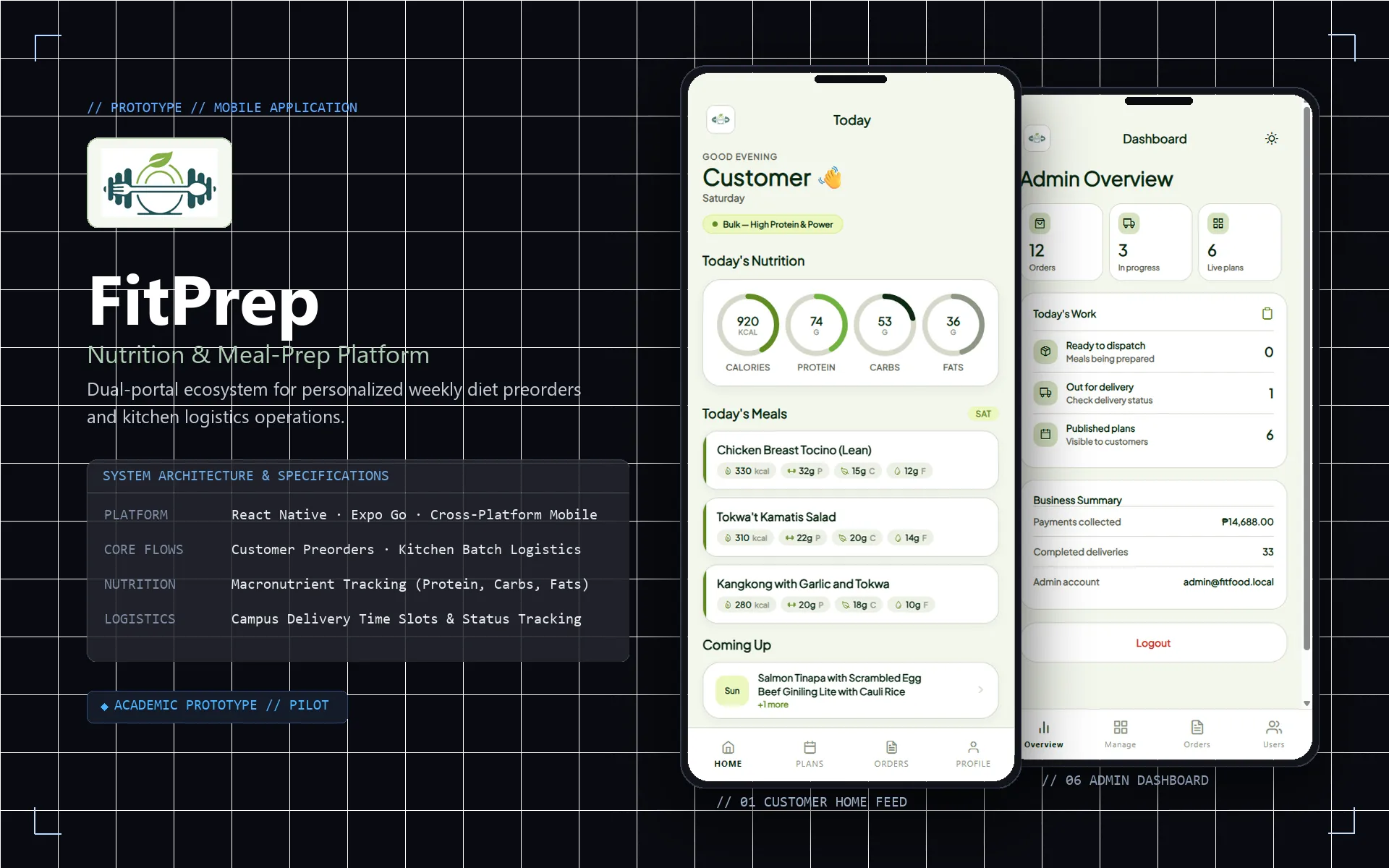
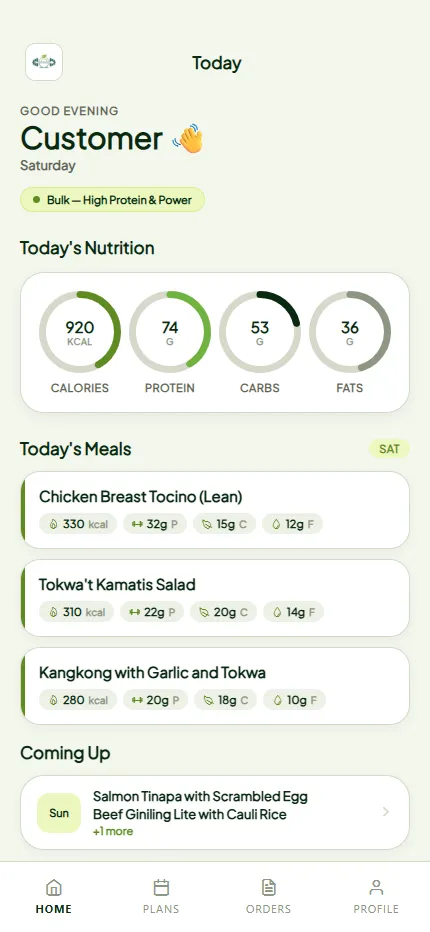
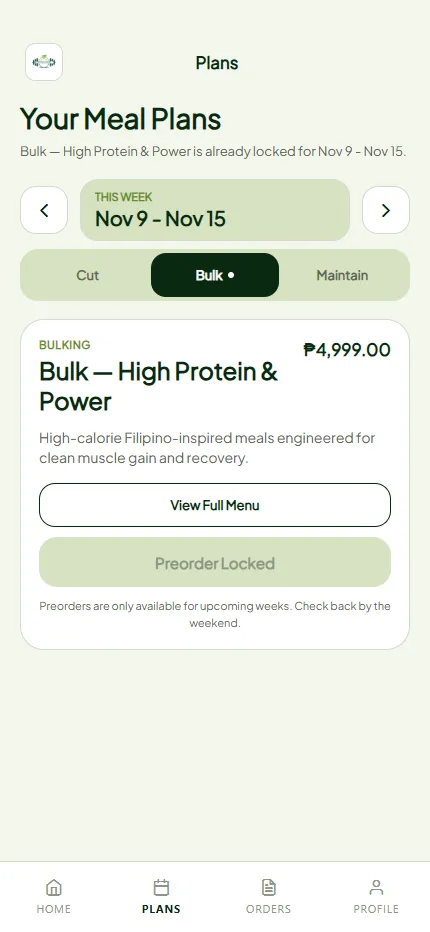
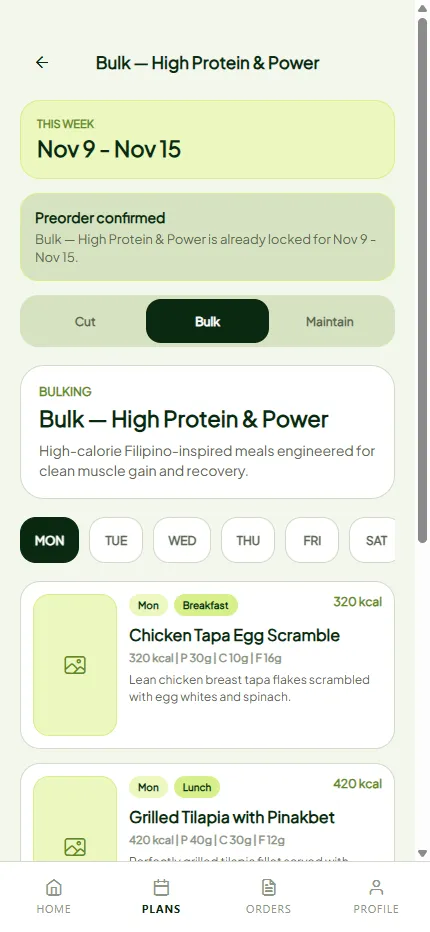
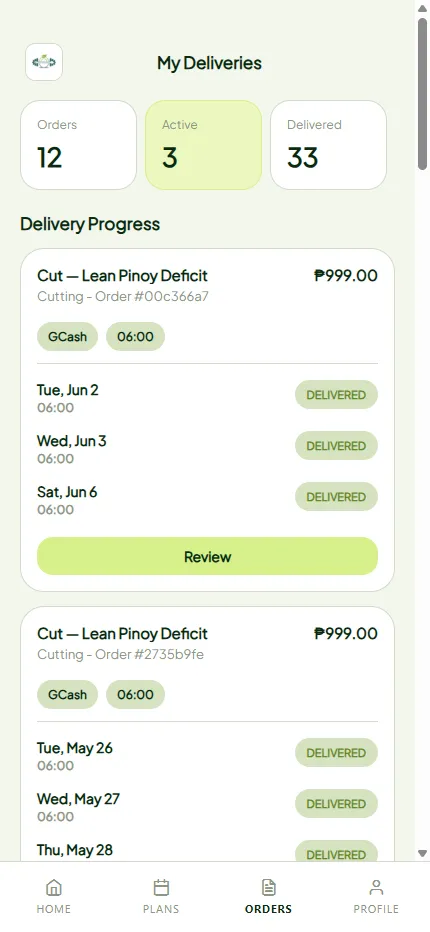
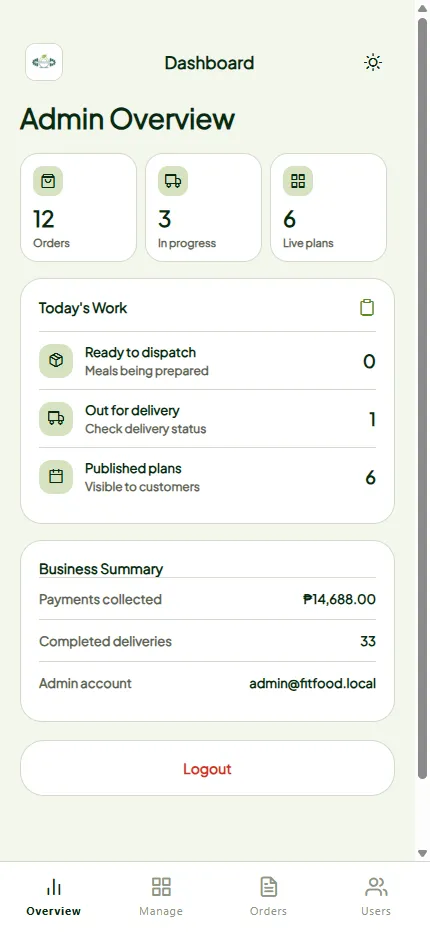
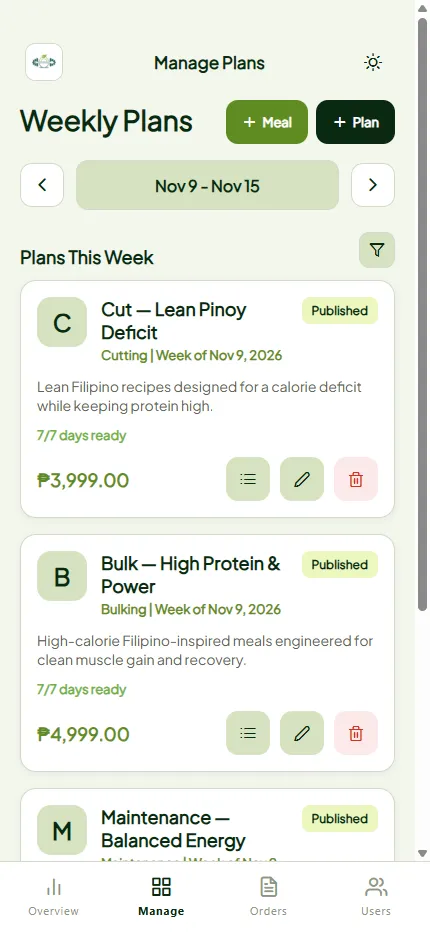
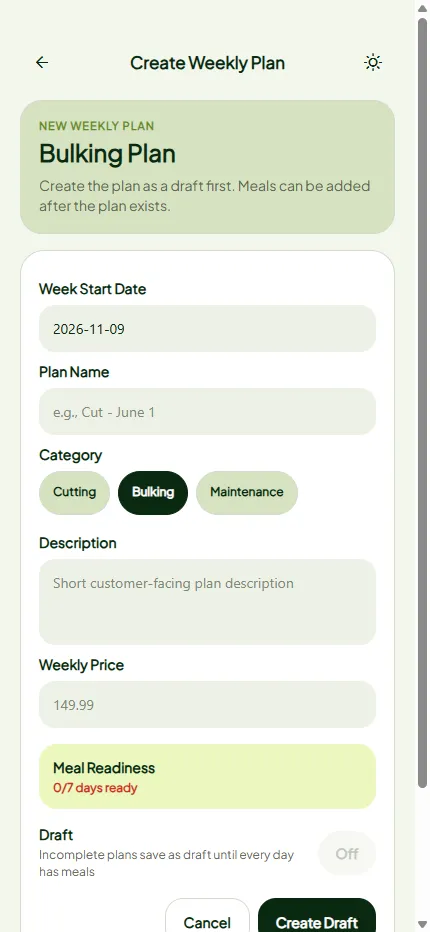
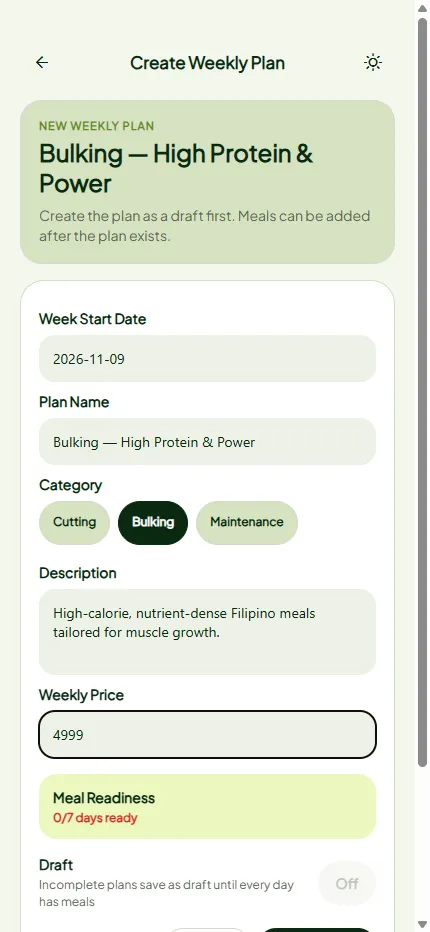
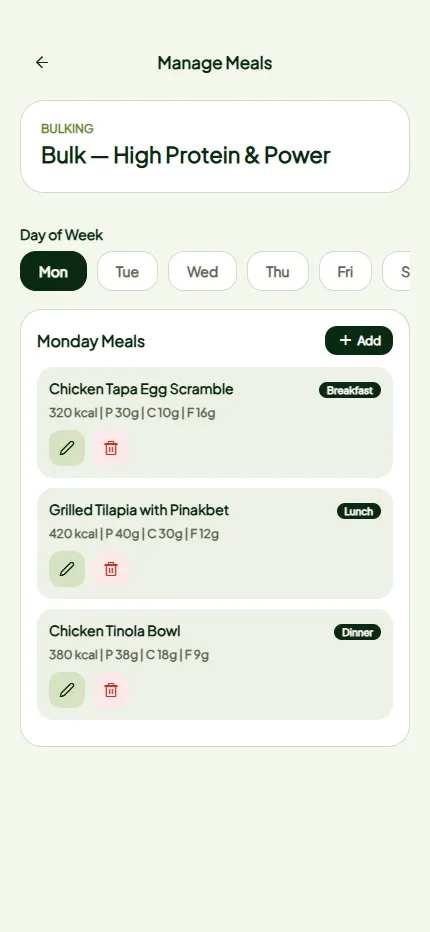
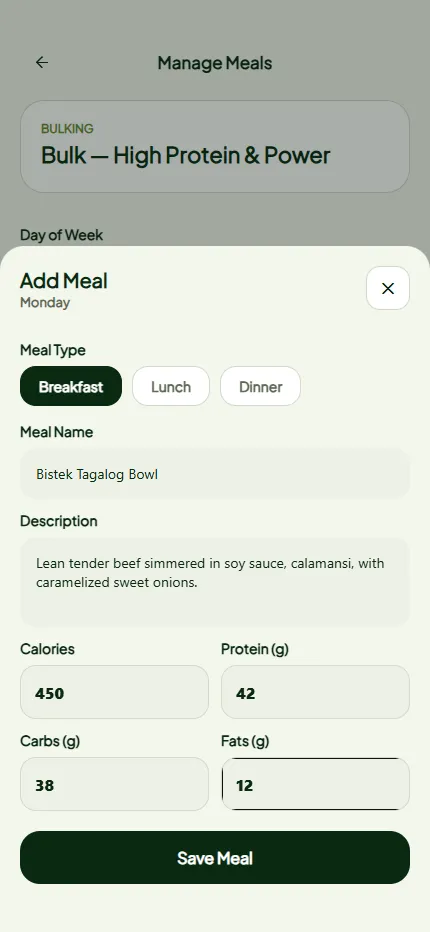
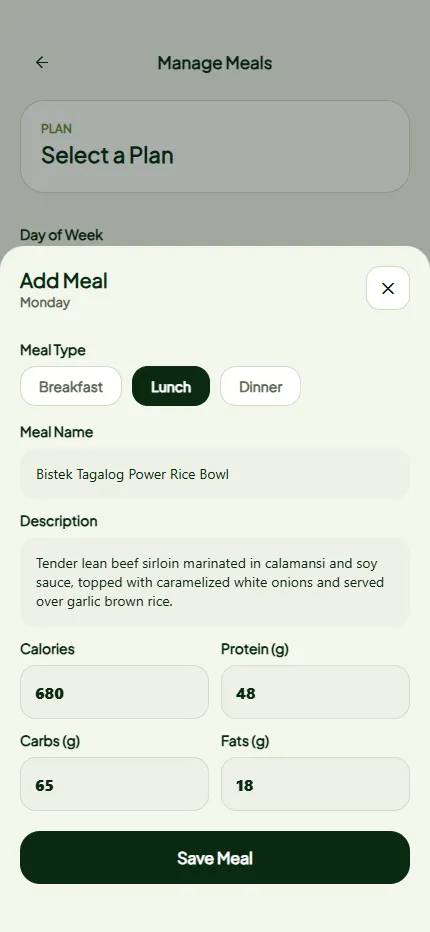
FitPrep mobile platform preview showing customer meal plans and admin operations overview in mobile frames.

What it does

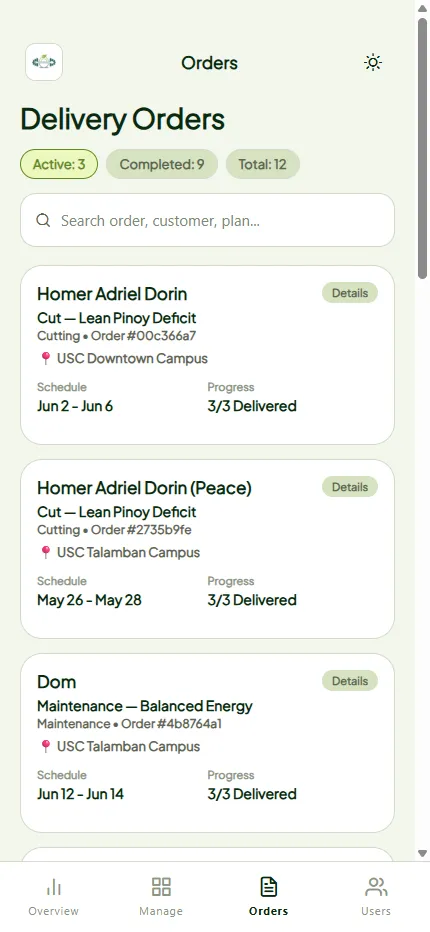
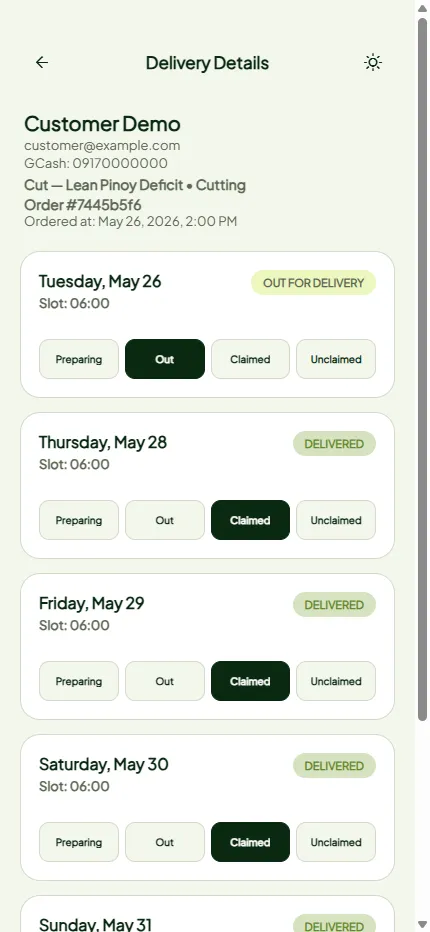
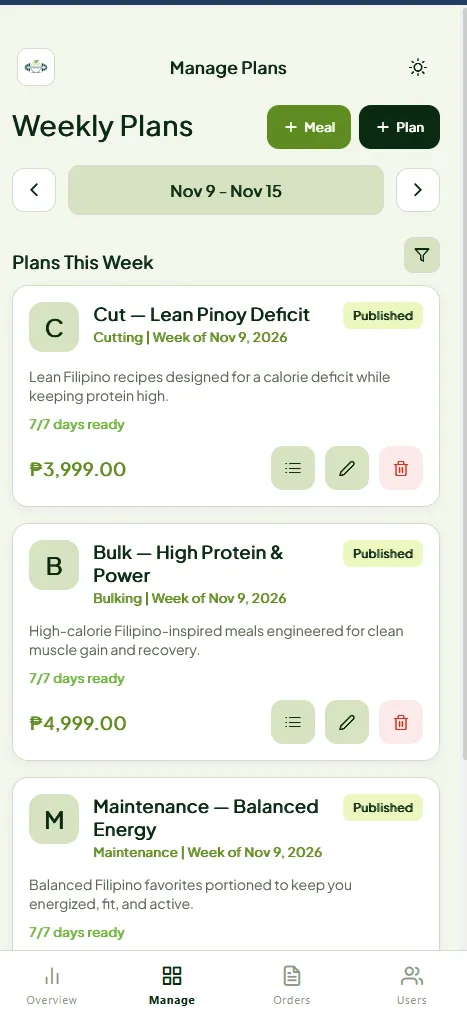
FitPrep provides a mobile prototype for PrepMate, exploring weekly fitness meal-prep preorder workflows and nutritional planning for users on scheduled diets. Designed around two complementary interfaces, it bridges customer diet planning with kitchen operations and campus delivery fulfillment.

How it works

Developed with React Native and Expo, the app allows users to browse weekly meal calendars, inspect nutritional metrics, configure mock preorders, and simulate scheduled delivery status across the week.

Key Architecture & Workflows

  • Customer Experience: Personalized daily nutrition tracking with macronutrient rings (protein, carbs, fats), weekly plan subscription lockers (Cut, Bulk, Maintenance), and real-time delivery slot monitoring.
  • Admin & Kitchen Operations: Batch order management, recipe macro calculation, weekly plan creation, and campus delivery routing (USC Talamban & Downtown campuses).
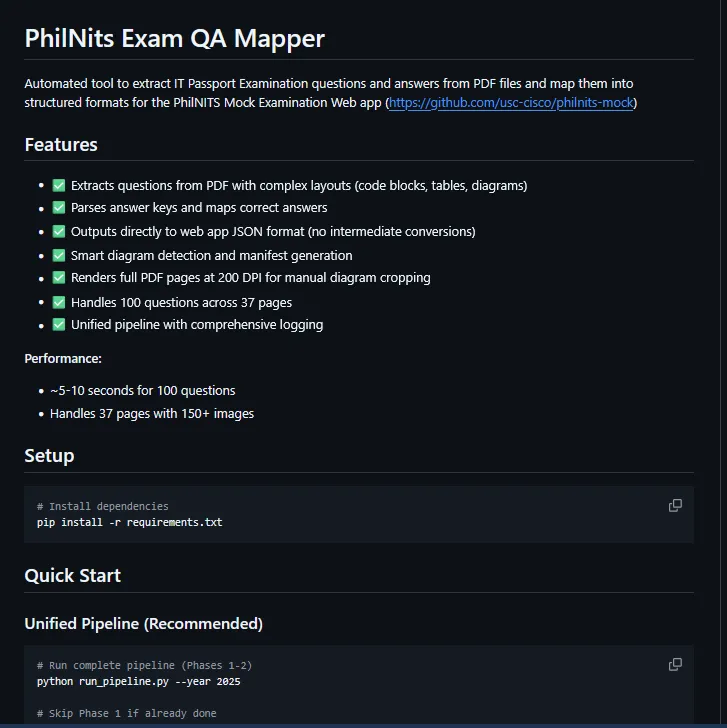
PhilNITS Exam QA Mapper README outlining PDF extraction features, setup and pipeline usage.

What it does

I built PhilNITS Exam QA Mapper as a personal initiative to contribute to the mock exam website led by CISCO, our department council. I wanted to help fellow students prepare by making existing exam material easier to bring into the practice platform.

The mapper extracts questions and answer keys from historical PhilNITS Fundamental Engineer exam PDFs and pairs them in structured, web-ready JSON. It is my contribution to that broader initiative.

How it works

The pipeline parses exam questions and answer keys from raw PDFs, builds year-partitioned directories, and pairs automated text extraction with a dedicated FastAPI review interface for manually verifying and cropping technical diagram questions.

My contribution

Built the exam-mapping pipeline as a student contribution to the broader CISCO-led mock exam website.

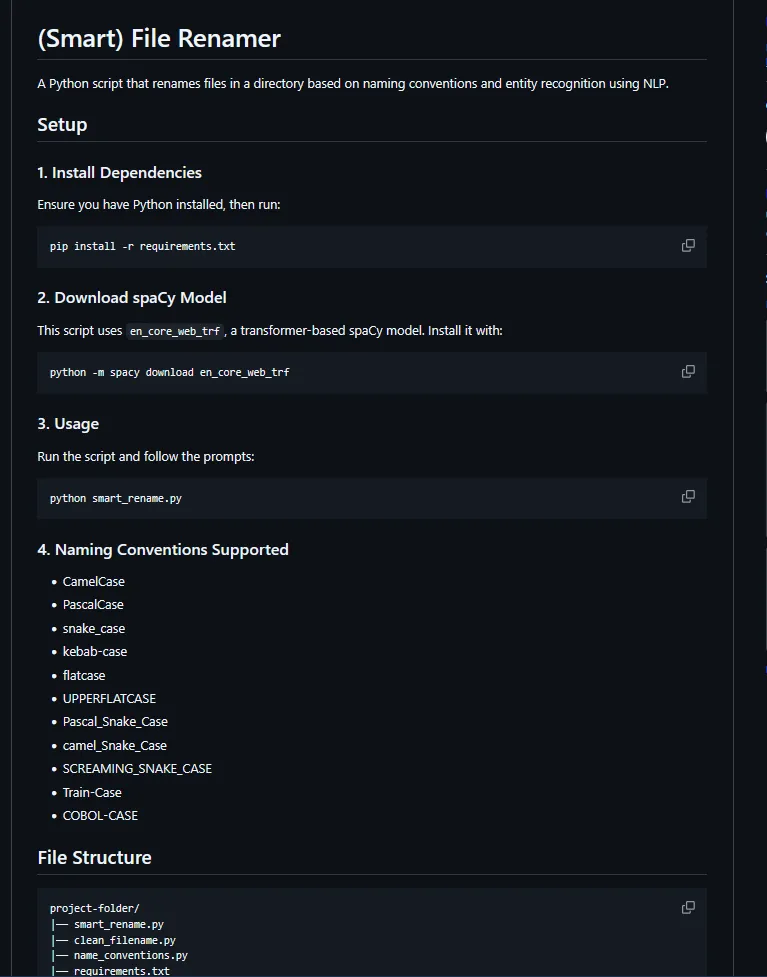
Smart File Renamer README showing setup instructions, usage and supported naming conventions.

What it does

Smart File Renamer converts filenames between common programming conventions (camelCase, snake_case, kebab-case, PascalCase) while handling multi-word entities and abbreviations with context awareness.

How it works

Unlike naive regex string substitution, the tool utilizes lightweight natural language processing to identify acronyms, compound phrases, and named entities, ensuring identifiers are split and formatted correctly across style guide migrations.

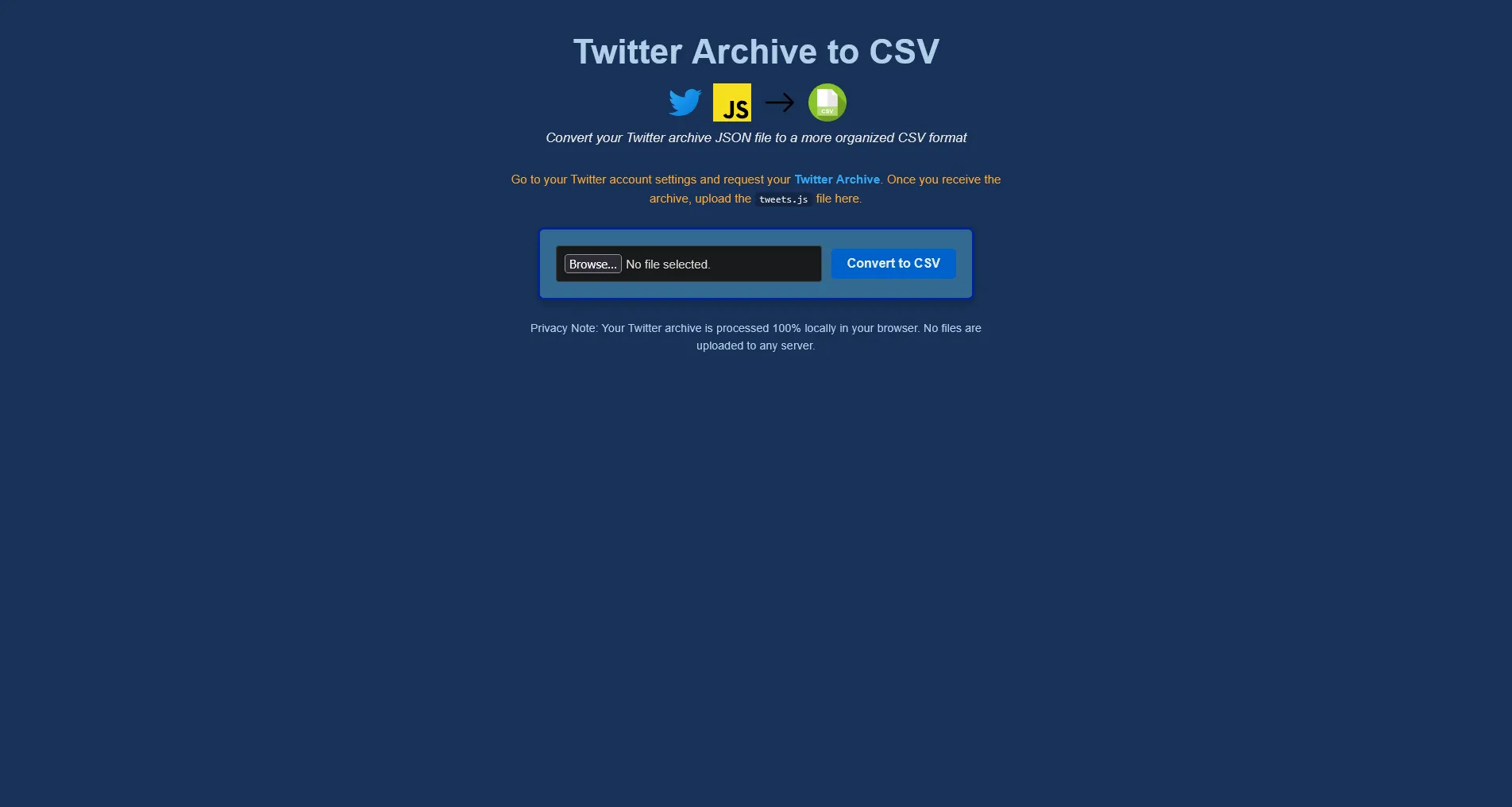
Twitter Archive to CSV interface for uploading Twitter data exports and converting them into structured CSV spreadsheets.

What it does

Twitter Archive to CSV extracts personal tweets, replies, and engagement metadata from official Twitter/X data archive downloads and converts them into clean, structured CSV files for offline backup and tabular analysis.

How it works

The script ingests the JavaScript/JSON data bundles provided in official user exports, parses timestamped tweet text, media links, and interaction metrics, and normalizes them into clean, column-indexed CSVs ready for spreadsheet viewing or tabular analysis.

// WIP

What it is

Zenith is a local-first visual planner for connecting ideas using a space metaphor — galaxies, star systems, and stars. It provides a spatial model for thinking about how concepts, tasks, notes, and people relate, where emergent connections naturally form constellations.

How it works

Built with React, TypeScript, React Flow, and Bun, Zenith manages an in-memory graph where every node is a Star that connects to other stars through undirected links. The interaction loop allows users to select nodes, activate connection controls, and dynamically shape constellations on an infinite canvas.

What it does

Sugo coordinates campus micro-task sharing, connecting students who need quick errands run (food pickups, line holding, printing jobs) with peers who have downtime between classes.

How it works

Built with React Native, Expo, and Zustand, the client features a localized quest feed with time-bound urgency tiers, quest claim workflows, and offline-first state persistence using AsyncStorage.

Beyond the workshop

There's a person behind the work.

I spend a lot of time building things, but there's more to me than the things I build. I'm drawn to hobbies that reward curiosity and practice, enjoy learning from people with different perspectives, and tend to find myself involved in communities where I can help people connect, learn, and make things happen.

Community & leadership

2026–2027

  • Vice President for External Relations

    Computer and Information Sciences Council, University of San Carlos

  • Consultant

    Google Developer Groups on Campus University of San Carlos

    Formerly Lead, 2025–2026.

  • AI Advocate

    DEVCON Cebu

  • Core Team Officer

    AI Pilipinas Cebu

  • Community Lead

    WikaPH Cebu

  • External Relations Officer

    Innovare: USC Competition Guild

Homer Adriel Dorin standing with his arms crossed in a white Google Developer Groups polo.
Homer Adriel Dorin